PIFRA Budget 2026 – Complete Guide to Government Budget Management & Budget Reports
PIFRA Budget 2026
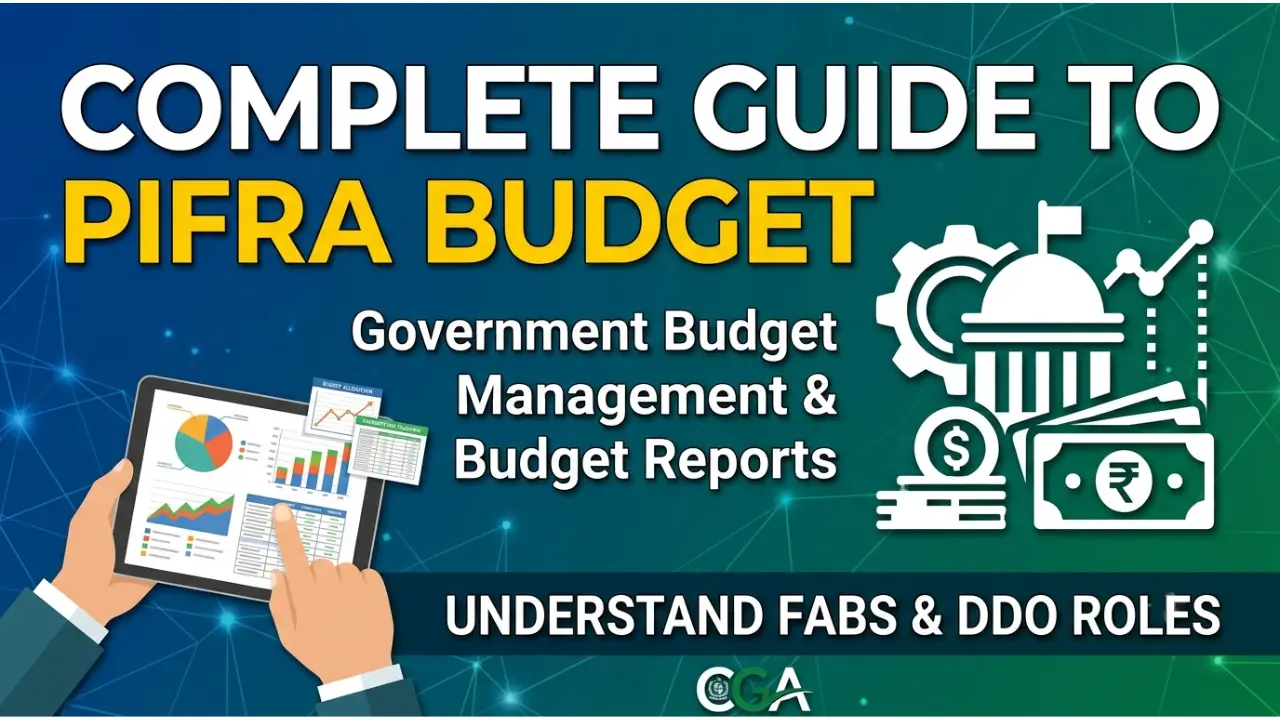
Managing government finances requires accuracy, transparency, and proper planning. The PIFRA Budget system helps federal and provincial government departments manage approved budgets, monitor expenditures, and generate financial reports through a centralized digital platform. Instead of relying on manual records, departments use the Financial Accounting and Budgeting System (FABS) to track budget allocations and spending throughout the financial year.
The system is designed to improve financial accountability by providing real-time information about allocated funds, utilized budgets, and remaining balances. It also assists Drawing and Disbursing Officers (DDOs), Finance Officers, Accounts Offices, and the Controller General of Accounts (CGA) in making informed financial decisions.
Whether you’re responsible for departmental budgeting or want to understand how government finances are managed, this guide explains everything you need to know about the PIFRA Budget system.
You Can Also Read: PIFRA Email Registration
Quick Overview
| Information | Details |
| Service | PIFRA Budget |
| Managed By | Controller General of Accounts (CGA) |
| Financial System | FABS |
| Used By | Government Departments, DDOs, Finance & Accounts Offices |
| Main Purpose | Budget Allocation & Expenditure Monitoring |
| Cost | Government Service |
What is the PIFRA Budget?
PIFRA Budget is a computerized budget management system that helps government departments plan, monitor, and control public expenditure. It records approved budget allocations, tracks departmental spending, and generates financial reports to ensure government funds are utilized according to approved policies.
The system works alongside the Financial Accounting and Budgeting System (FABS) and supports transparent financial management by maintaining centralized digital records. Every approved expenditure is recorded against a specific budget head, making it easier to monitor available funds throughout the financial year.
Why is PIFRA Budget Important?
Budget management is one of the most important responsibilities of every government department. The PIFRA Budget system helps ensure that public funds are spent responsibly and within approved financial limits.
Some major benefits include:
- Improves financial transparency.
- Supports proper budget allocation.
- Tracks departmental expenditure.
- Prevents unauthorized spending.
- Generates accurate financial reports.
- Assists with the Budget Expenditure Report (BER) preparation.
- Supports government audits.
- Improves financial planning.
You Can Also Read: PIFRA Bill Tracking
Main Components of the Budget System
The PIFRA Budget system consists of several important financial management modules.
| Component | Purpose |
| Budget Allocation | Distribution of approved funds |
| Budget Expenditure Report (BER) | Monitors departmental spending |
| DDO Budget | Budget monitoring by Drawing & Disbursing Officers |
| Financial Reporting | Generates expenditure reports |
| Treasury Management | Payment processing |
| Budget Monitoring | Compares allocated and utilized funds |
Together, these components help departments manage financial resources more efficiently.
How Budget Allocation Works
At the beginning of each financial year, government departments receive approved budget allocations. These funds are distributed among various expenditure heads such as employee salaries, operational expenses, development projects, utilities, and administrative costs.
Throughout the year, every payment is recorded against the relevant budget head. Finance Officers and DDOs continuously monitor available balances to ensure spending remains within approved limits. If expenditures approach the allocated budget, departments can take timely corrective measures before overspending occurs.
You Can Also Read: PIFRA Vendor Number
Who Uses the PIFRA Budget System?
The budget system is mainly designed for officials responsible for government financial management.
Common users include:
- Drawing and Disbursing Officers (DDOs)
- Accounts Officers
- Finance Officers
- Treasury Offices
- Budget Officers
- Internal Audit Teams
- Controller General of Accounts (CGA)
- Government Departments
Each user has specific responsibilities related to budget monitoring, expenditure management, and financial reporting.
Benefits of Using PIFRA Budget
The digital budget management system provides several advantages compared to traditional manual budgeting.
Some key benefits are:
- Faster financial reporting.
- Better budget utilization.
- Improved expenditure monitoring.
- Reduced paperwork.
- Increased financial transparency.
- Accurate government accounting.
- Better audit compliance.
- Efficient budget planning throughout the financial year.
These advantages help departments improve operational efficiency while maintaining accountability for public funds.
You Can Also Read: PIFRA Position Code
Frequently Asked Questions (FAQs)
What is the PIFRA Budget?
PIFRA Budget is a digital government budget management system used to allocate funds, monitor expenditure, and generate financial reports.
Who manages the PIFRA Budget system?
The system operates under the Controller General of Accounts (CGA) using the Financial Accounting and Budgeting System (FABS).
Who can use the budget system?
Drawing and Disbursing Officers (DDOs), Finance Officers, Accounts Officers, Treasury officials, and other authorized government departments.
What is a Budget Expenditure Report (BER)?
A BER is a financial report that shows the allocated budget, actual expenditure, and remaining balance for a department or DDO.
Does PIFRA Budget help prevent overspending?
Yes. The system continuously monitors expenditure against approved budget allocations, helping departments control unnecessary spending.
Is the PIFRA Budget used by private organizations?
No. It is designed specifically for government financial management and authorized public sector departments.
Conclusion
The PIFRA Budget system plays an essential role in modern government financial management by improving transparency, accountability, and the efficient use of budgets. Through digital budget allocation, expenditure monitoring, and financial reporting, government departments can manage public funds more effectively while ensuring compliance with approved financial regulations.
For DDOs, Finance Officers, Accounts Officers, and other government officials, understanding how the PIFRA Budget system works is essential for maintaining accurate financial records and supporting responsible public spending. As government financial systems continue to modernize, PIFRA Budget remains a key component of efficient and transparent budget management in Pakistan.
You Can Also Read: PIFRA Pay Slip